



World's First AI Skills & Mindset Model

We built the thing we needed and couldn't find

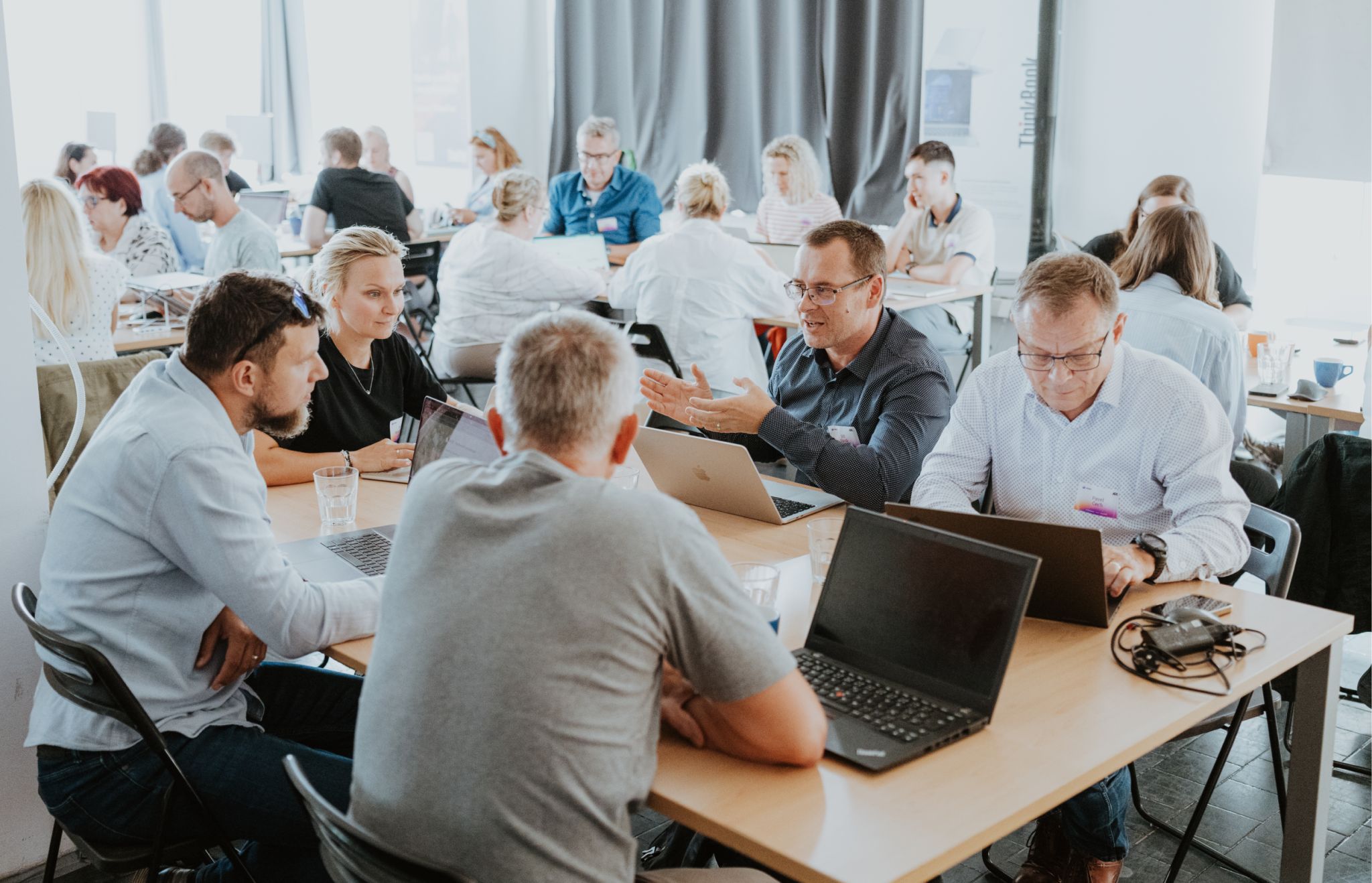
After training 3,000+ professionals in AI, we kept watching the same pattern: people who were genuinely capable with AI, with no way to demonstrate it. And organizations investing seriously in AI development with no way to measure whether anything changed.

No independent standard existed. So we built one. Superpowered Professional is the world's first behavioral AI Skills & Mindset Model. This is how it got here.

Superpowered Professional — AI Skills & Mindset
100,000

People who work fundamentally differently with AI — by the end of 2027

Not completed courses. Not certificates earned. People whose instinct, when they face any new problem, is to reach for AI first — and who know exactly how to use it well.

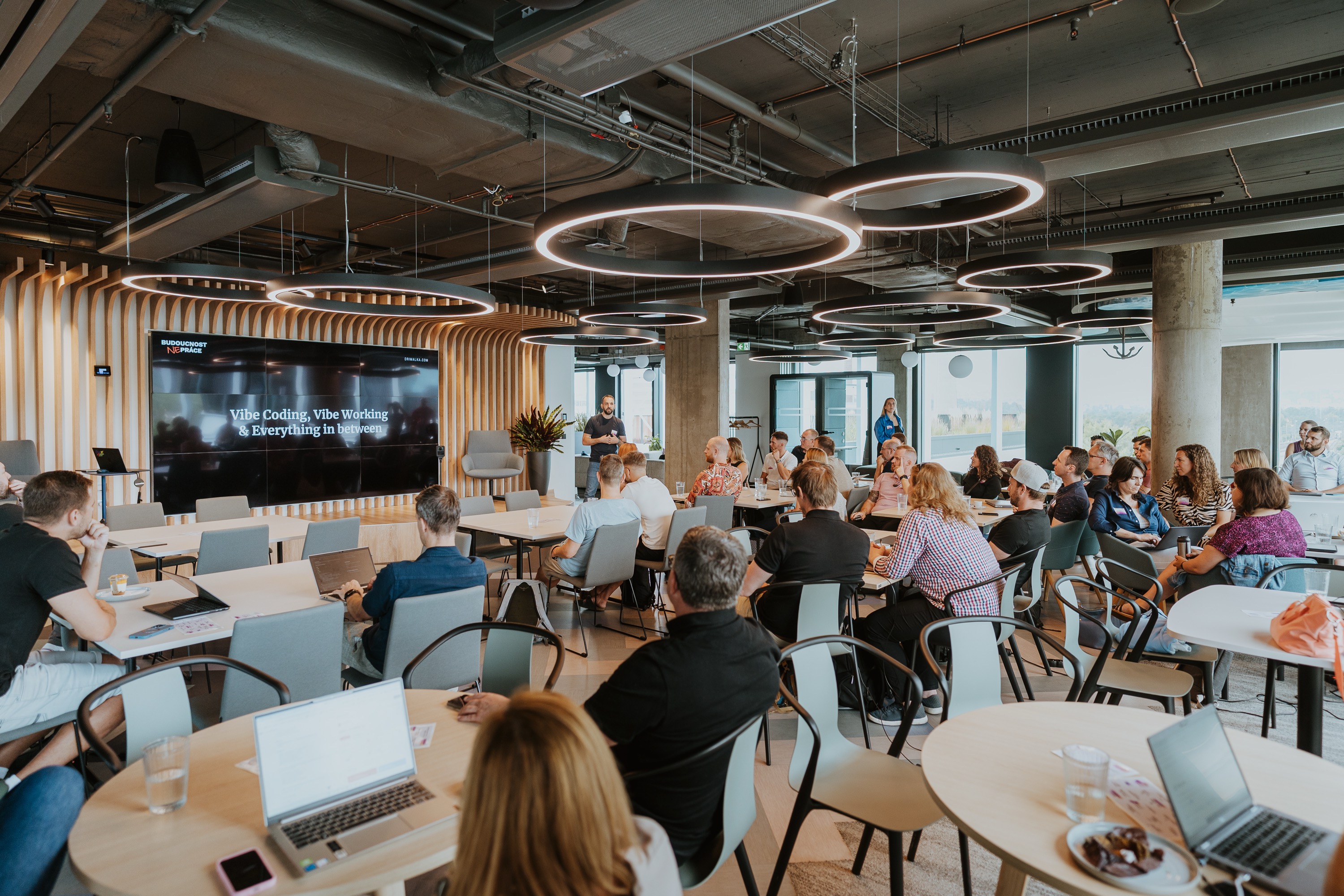
12,400+ assessments completed. 3,000+ professionals trained. 20+ countries. Every assessment gets us closer.

Trusted by

Anthropic Intuit Ramp Canva Ericsson
People working with AI — Superpowered Professional

Why Superpowered Professional exists

After training thousands of professionals in AI, we kept hitting the same wall. People would finish programs and ask: am I actually good at this now?

And we had no honest answer. Courses measured attendance. Certifications measured what people memorized. Usage dashboards measured how often someone opened a tool — not what they did with it. Nothing measured the behavioral patterns that actually determine who gets dramatically more capable with AI, and who stays stuck.

We tried every existing assessment. Knowledge quizzes. Self-report surveys. Skills rubrics that were either too general to be useful or too technical to apply to most professionals. Nothing came close.

So we built our own.

The first version was internal — five dimensions of capability, behavioral measurement, archetypes that gave people a name for how they worked instead of a score they couldn't interpret. We shared it with a small group. Then a larger one.

Something unexpected happened. People started using the archetype language in meetings. Managers asked to assess their teams. Someone put "AI Architect" on their LinkedIn profile and got three recruiters in their inbox that week. The framework had become a vocabulary — a shared way to talk about AI capability that actually meant something.

Today SP™ is used across 20+ countries. 12,400+ assessments completed. The methodology is published. We call it the world's first AI Skills & Mindset Model because that's what it is — there was nothing else measuring behavior at this level of specificity. We intend to keep it that way.
The Team

Who we are

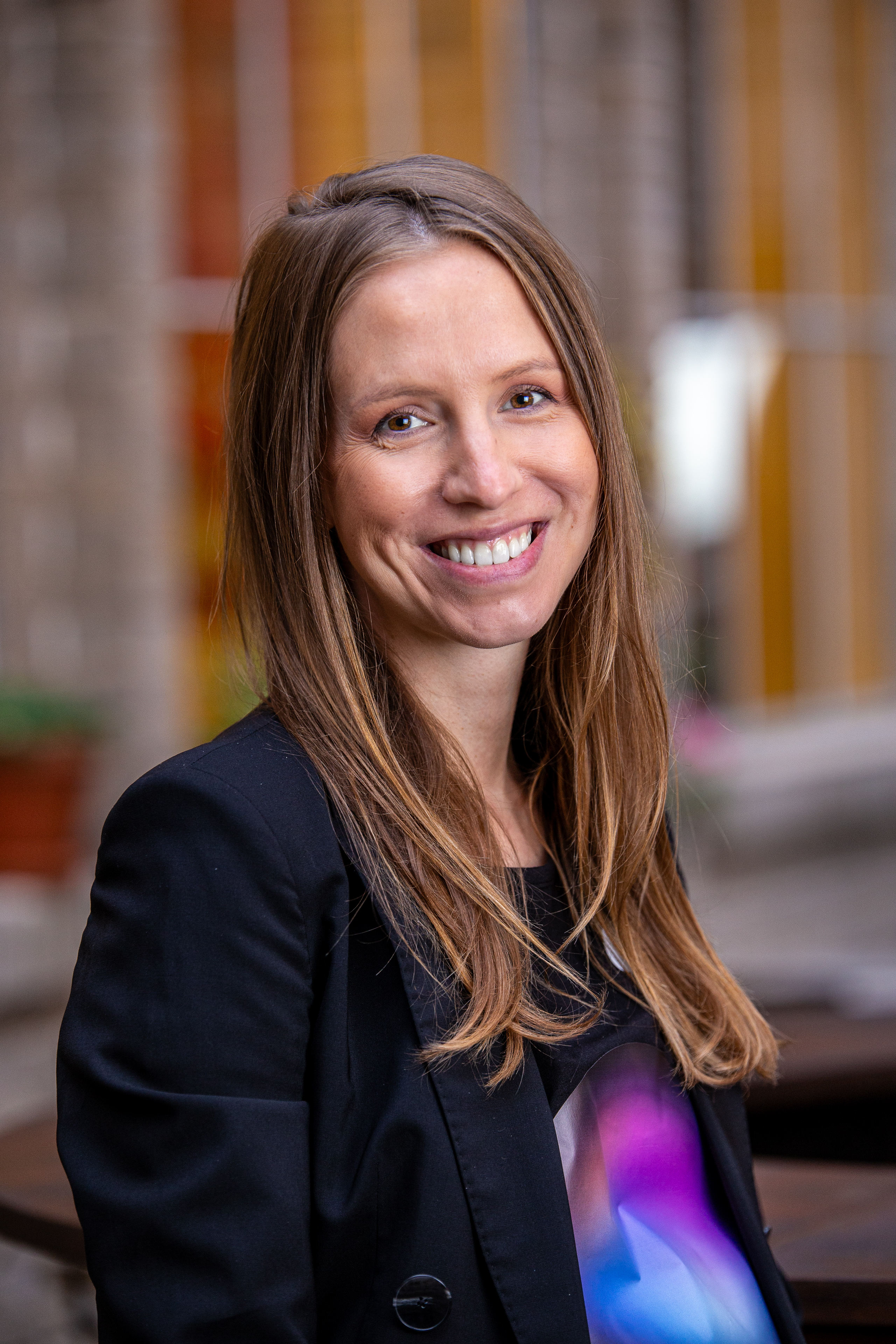
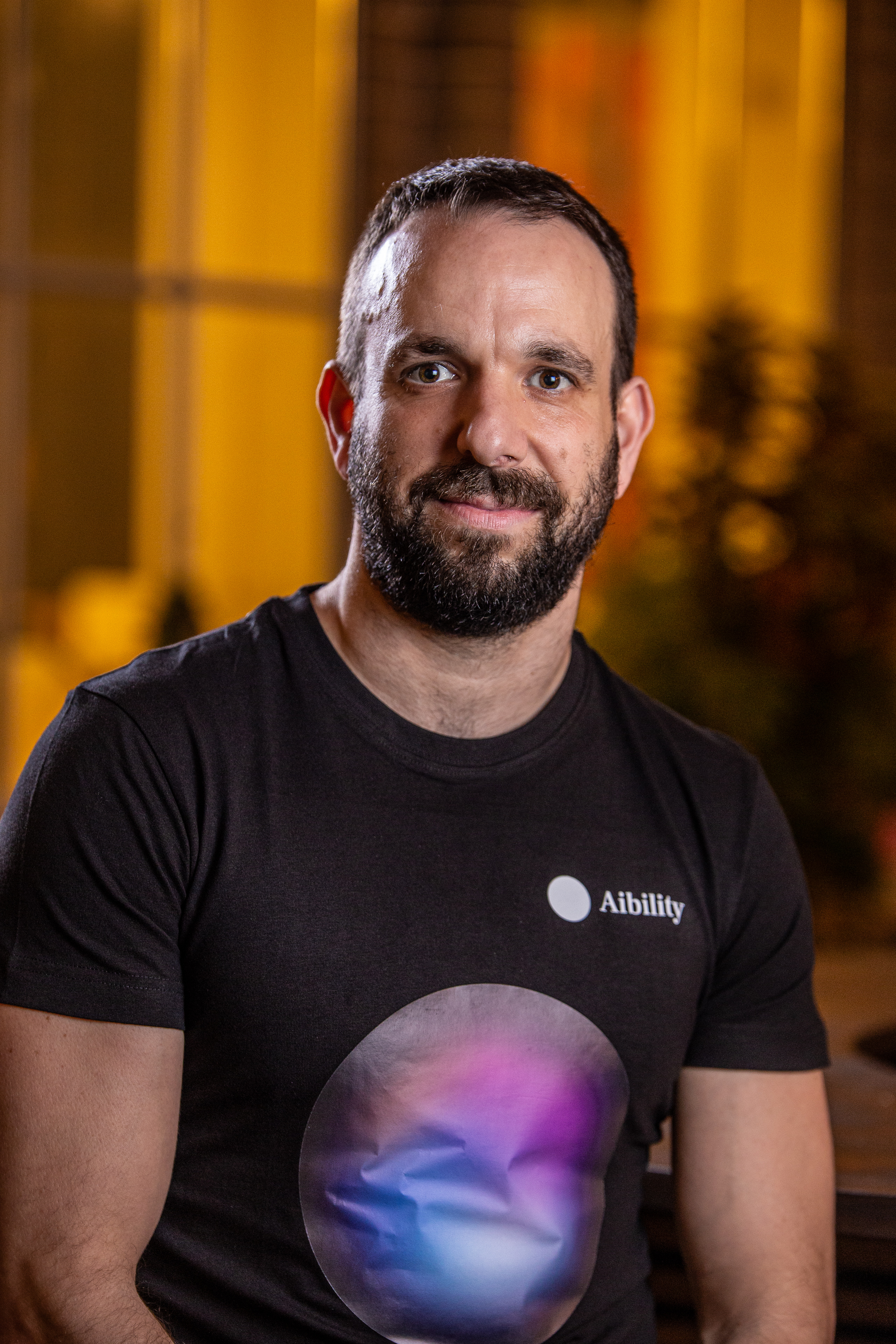
Filip Drimalka
Filip Drimalka
Founder & Methodology Creator

Built the SP framework from the ground up. Has trained 3,000+ professionals in AI capability. Thinks in systems, speaks in metaphors, and is convinced — from watching it play out thousands of times — that mindset predicts growth better than any skill test. Coined "AI-First Mindset," the 90/10 Principle, and "Everything is a prompt." The methodology is his, down to the scoring weights.

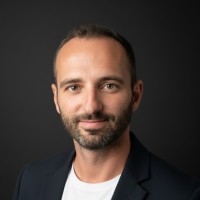
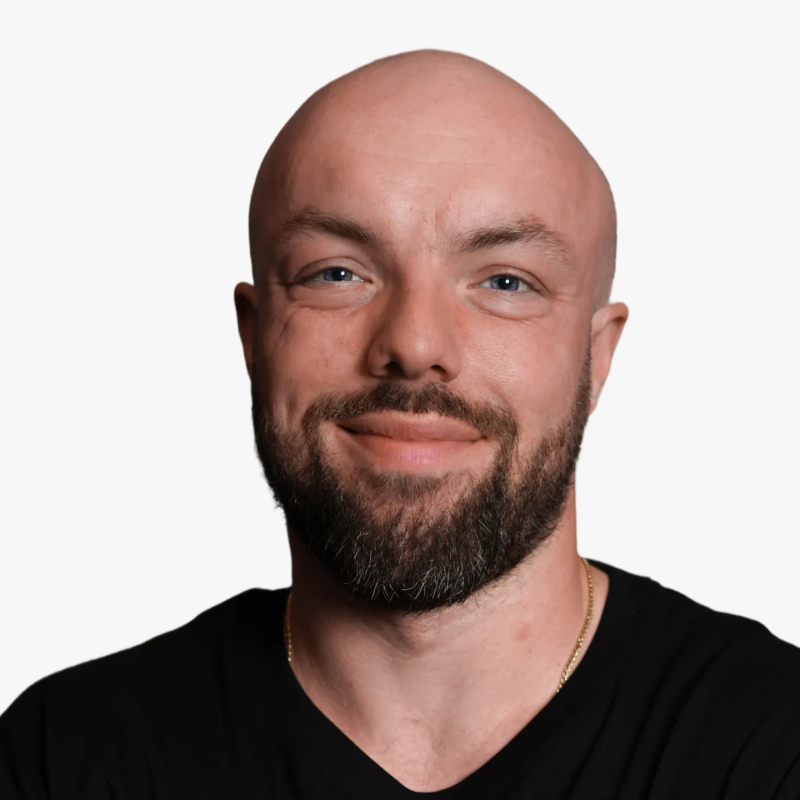
Tom Paulus
Tom Paulus
Co-founder

Builds the systems that make the framework work. The assessment engine, the scoring pipeline, the infrastructure that turns behavioral data into profiles. Pragmatic about technology, opinionated about quality.

Zaneta Pavlickova
Zaneta Pavlickova
Business & Partnerships

Connects the framework to the organizations that need it. Translates "here's what we built" into "here's what this means for your team." Direct, relationship-driven.

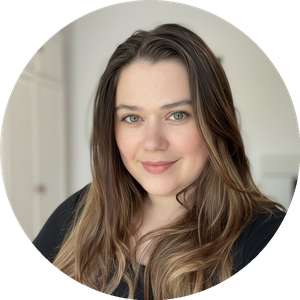
Veronika Paulusova
Veronika Paulusova
Operations & Content

Operations, content, quality control. The filter that ensures everything Aibility puts out makes sense to someone who didn't build it.

Martin
Martin
Role TBD

Team member. Details to be added.

What We Believe

Our principles

Behavior over knowledge.

A prototype you shipped last week tells us more than a certification you earned last year. Most AI assessments test knowledge. SP™ measures behavior — what you do with AI, not what you've read about it.

Identity over scores.

"I'm an AI Architect" is more useful than "I scored 74." It sticks. It compounds. It changes how you walk into a room. That's why every result gives you a name, not just a number — and why every archetype is something worth claiming.

Shared vocabulary creates shared standards.

When professionals have a common language for AI capability — Archetype, Superpowers, Growth Edge — conversations that used to go nowhere become specific. A manager can say "we need more Builder coverage on this team." A candidate can say "I'm an AI Navigator; here's what that means." A team can map its gaps instead of arguing about whether it's "good at AI." That's the mechanism by which standards form. We're building toward the world where "What's your AI Archetype?" is a question that means something precise.

Mindset predicts growth.

Tools change every month. But the instinct to reach for AI first — to ask "what if AI could do this?" before doing it the old way — that instinct predicts who's ahead in two years. It's why mindset is 35% of the SP Score.

Show your work.

The full methodology is published. The scoring weights are documented. Credibility comes from transparency, not from protecting a black box.